


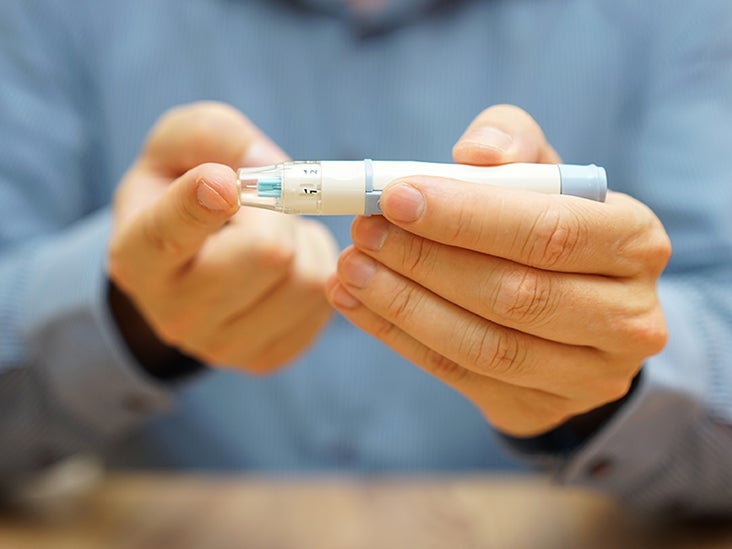

Diabetes is a disorder associated with metabolism, specifically carbohydrates. In it, a body either fails to produce a sufficient amount of insulin (Type I diabetes) or cells showing resistance to insulin (Type II diabetes). It is referred to as high blood glucose due to the inability to convert carbohydrates to glucose.
Specifically talking about Type II diabetes, which is an endocrine disease. It is associated with the pancreas that fails to produce a hormone named insulin. It usually occurs due to a genetic disorder, and most of the time is hereditary.
Types Of Diabetes, Causes, Symptoms, And Treatment
Diabetes can be categorized into three main types.
1. Diabetes I
The pancreas is the organ that produces insulin. Insulin is the hormone that works on carbohydrates and breaks down into glucose. When the pancreas cannot produce enough insulin to convert carbohydrates into glucose, then the blood glucose level is higher as compared to that of a normal person.
Causes
- Basically, diabetes I, is the result of the autoimmune response. The body’s immune system destroys cells that are specified to produce insulin, and as its result, very little or no insulin is produced.
- The main cause is still under research, but it has been associated with genetic and environmental conditions.
Risk Factors
- It mostly occurs at a very young age or at early matka adolescence. If any family member has diabetes I, then the risk factor increases for other members also as it has genetic backgrounds.
- Several viral infections and environmental factors can also act as a contributing risk factor for having it.
- Only 10% of diabetic people fall under the diabetes I category.
Treatment
It is seldom cured, but it can be controlled injecting insulin into the patient’s body. It is essential to keep blood glucose levels in control. If not controlled, then it can lead to damage to other body organs. The treatment depends on how long the effects last.
Symptoms
Some common symptoms of diabetes I include
- Increased thirst and dry mouth
- Abrupt weight loss
- Urination more often
- Less energetic and tired
- Frequent hunger
- Impaired vision
2. Diabetes II
It is also referred to as Insulin Resistance. Unlike diabetes I, the pancreas produce insulin, but cells develop a resistance against it, and hence glucose in the blood is not able to let into the cells where it is converted and used as energy.
The process of insulin resistance leads to pancreatic exhaustion due to producing more and more insulin to cope with high blood glucose levels. As a result of exhaustion, insulin production declines to lead to the condition of diabetes II.
Causes
- Diabetes II is more hereditary than type I; if any close relatives or family members are suffering from diabetes II, you are more likely to have it.
- Changes in lifestyle are another main cause leading to diabetes II. Unhealthy diet, obesity, and low physical activity are the leading factors to diabetes II
- A combo of both hereditary and lifestyle changes can also contribute to diabetes II
Risk Factors
- Bad lifestyles comprising of dietary habits and physical activity can increase the risk factor of getting diabetes type II, mostly bad lifestyle and drinking habits can lead to diabetes later in life. Seeking assistance to deal with such abusive habits. There are many demographic-specific detox centers that can also help different people.
- Diabetes II is mostly likely to occur due to gene mutation; this mutation is hereditary can easily pass on from parents to offspring. If a close relative or a sibling has diabetes II, then there is an associated risk for you to develop it somewhere in life.
- About 90% of the diabetic patient are under diabetes II, thus showing more risk than diabetes I
Treatment
A healthy lifestyle can help to overcome the impacts of diabetes II on the body. With a healthy diet and some active physical activity, blood glucose levels can be kept well controlled. In addition to lifestyle, certain medications can also be useful to manage diabetes II.
Symptoms
Many symptoms are ranging from mild to adverse. Some might not even show any symptoms if it is too early. These symptoms include
- Thirst and dry mouth
- Urinating more often
- Less energetic and tired
- Impaired vision
- Feeling numbness in hands and feet
- Slow wound healing
- Repeated skin infections
3. Gestational Diabetes
Gestational diabetes, as the name suggests, resistance to insulin is developed but during gestation (pregnancy). This diabetes is not good for mothers’ and ba’s health and it can lead to complications during delivery. A mother may get rid of it soon after delivery, and the blood glucose level may come to normal again.
Causes
The most important cause of having gestational diabetes is overweight. An overweight and obese mother is more likely to have gestational diabetes as compared to others.
Another important aspect is that a woman’s body goes through many changes during pregnancy. One important change is hormonal changes in the body; it may also lead to low insulin production and resultantly high glucose in the blood.
Risk Factors
There is a list of the risk factors that can define the probability of having gestational diabetes in some women compared to others. These factors include
- Being overweight & obesity
- Low to no physical activity
- Previously having gestational diabetes
- Polycystic ovary syndrome
- Family history
Treatment
Fortunately, a pregnant woman can keep it well in control with some healthy lifestyle changes. To most women facing gestational diabetes
Symptoms
There are ranging symptoms during pregnancy that can help in diagnosing gestational diabetes. These symptoms are
- Unusual thirst
- Urinating more often and in larger quantity
- Infections associated with vagina and skin
- Nausea and fatigue
- Blurred vision
Conclusion
Diabetes is a major health issue. Diabetes I, diabetes II, and gestational diabetes are the main types of it. Prolonged and uncontrolled diabetes can lead to serious health outcomes, and it may pose serious damage to other systems in the body. A healthy lifestyle and proper medication might help overcome it to a great extent.