
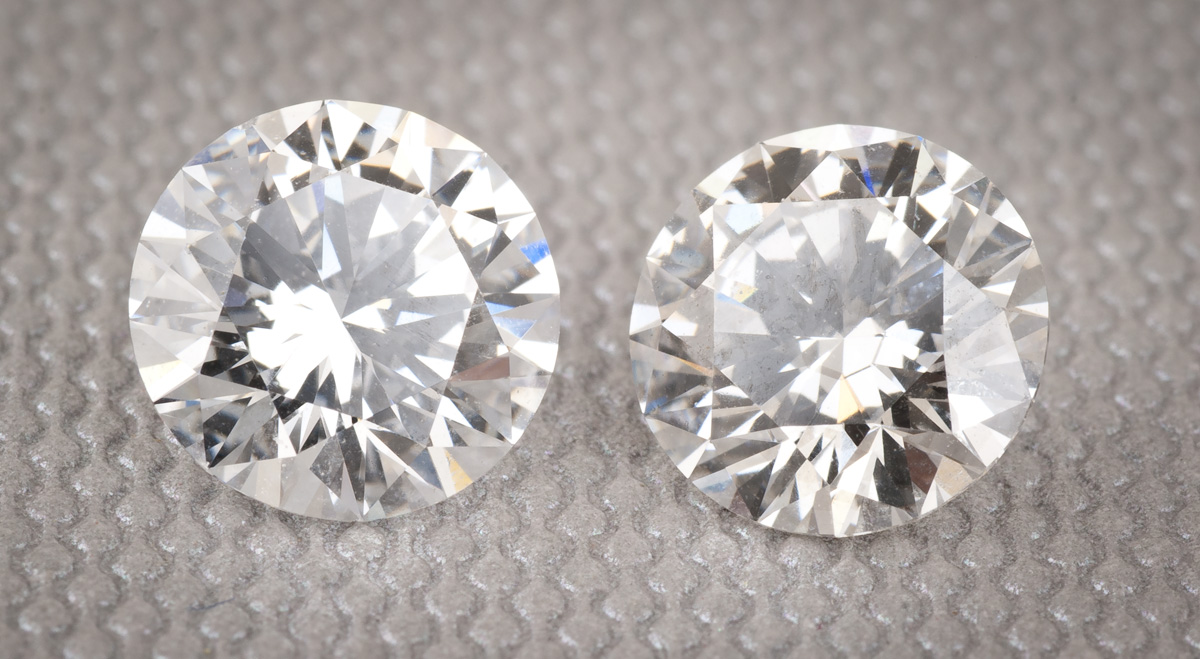
In recent years, the interest in lab-grown diamonds has surged, offering consumers an ethical and affordable alternative to natural diamonds. Whether you’re a first-time buyer or a seasoned gem enthusiast, understanding the nuances of lab diamonds can empower you to make a well-informed purchase decision.
Introduction to Lab Diamonds
What are lab diamonds? Lab diamonds, also known as lab grown diamonds or synthetic diamonds, are created in controlled laboratory environments that mimic the natural process of diamond formation. They possess the same chemical composition, crystal structure, and physical properties as natural diamonds.
How are lab diamonds different from natural diamonds? While natural diamonds form deep within the Earth over millions of years, lab diamonds are grown in weeks to months using advanced technological processes. This distinction not only affects their origin but also impacts their availability and pricing.
Benefits of Buying Lab Diamonds
Cost-effectiveness One of the most significant advantages of purchasing lab diamonds is their affordability compared to natural diamonds. On average, lab diamonds cost 30-40% less than mined diamonds of similar quality, making them a budget-friendly choice for consumers.
Ethical considerations Lab diamonds are ethically sourced, eliminating concerns about labor practices and environmental damage associated with diamond mining. They offer a guilt-free option for buyers who prioritize sustainability and social responsibility.
Environmental impact Unlike traditional mining, which can have substantial ecological footprints, lab diamond production has minimal environmental impact. It reduces the demand for mining and contributes to a cleaner, more sustainable diamond industry.
Quality and Certification of Lab Diamonds
Understanding the 4Cs for lab diamonds Similar to natural diamonds, lab-grown diamonds are graded based on the 4Cs—cut, color, clarity, and carat weight. These factors determine the diamond’s overall quality and price.
Certification bodies for lab-grown diamonds Reputable laboratories such as GIA (Gemological Institute of America) and IGI (International Gemological Institute) provide certifications for lab diamonds, ensuring transparency and authenticity in the marketplace.
Popular Brands and Suppliers of Lab Diamonds
Top brands offering lab diamonds Several renowned jewelry brands, including Brilliant Earth, Ada Diamonds, and James Allen, specialize in lab-grown diamonds. They offer a wide range of designs and customization options to suit every preference.
Where to buy lab diamonds online Online platforms like Blue Nile and Clean Origin are popular choices for purchasing lab diamonds, offering competitive prices, extensive selections, and reliable customer service.
Factors to Consider Before Buying
Budget considerations Set a realistic budget based on your financial capacity and desired diamond specifications. Compare prices across different sellers to find the best value without compromising quality.
Design and customization options Explore various setting styles, metal choices, and diamond shapes (e.g., round, princess, oval) to create a bespoke piece that reflects your personal style and preferences.
Customer reviews and reputation Read customer testimonials and reviews to gauge the seller’s reputation for product quality, service excellence, and after-sales support. Choose a trusted vendor with positive feedback from satisfied customers.
Comparison Between Lab Diamonds and Natural Diamonds
Price comparison While natural diamonds retain their market value due to their rarity, lab diamonds offer a more affordable alternative without sacrificing beauty or brilliance. They provide excellent value for money, especially for larger carat sizes.
Visual and chemical similarities/differences Lab diamonds are optically and chemically identical to natural diamonds, indistinguishable to the naked eye and even under magnification. Their composition ensures durability and longevity comparable to mined diamonds.
Long-term value and resale The resale value of lab diamonds may vary, but their growing popularity and ethical appeal suggest a promising future in the jewelry market. Factors such as market trends and consumer demand influence their resale potential.
Caring for Lab Diamonds
Cleaning and maintenance tips Maintain the brilliance of your lab diamond regularly cleaning it with mild soap and warm water. Use a soft brush to remove dirt and debris from the setting and ensure proper storage when not in use.
Longevity and durability Lab diamonds are exceptionally durable, ranking 10 on the Mohs scale of hardness. They withstand everyday wear and tear, making them suitable for engagement rings, wedding bands, and other jewelry pieces.
Customization Options for Lab Diamonds
Choosing settings and styles Select from a variety of settings, including solitaire, halo, and pave, to complement your chosen lab diamond. Customization options allow you to create a unique piece that reflects your personal taste and lifestyle.
Personalization features offered sellers Many jewelers offer engraving services, birthstone accents, and design modifications to enhance the sentimental value of your lab diamond jewelry. Explore these options to make your purchase truly special.

