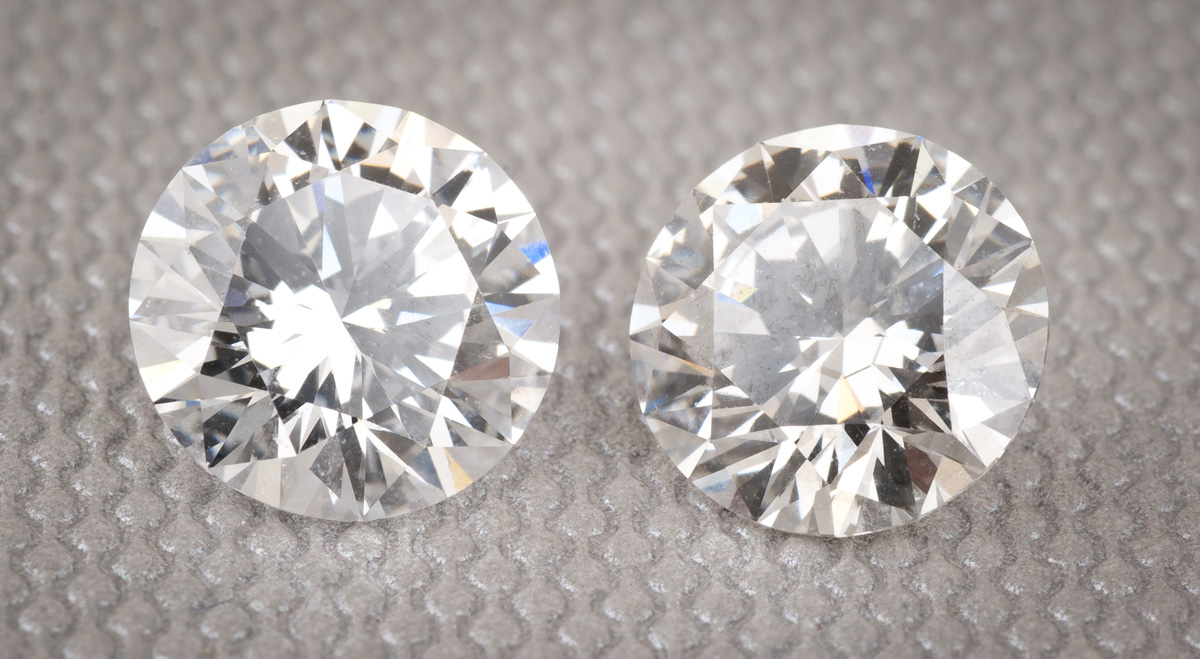
In recent years, lab grown diamonds have gained significant traction as an ethical, sustainable, and economically viable alternative to mined diamonds. This article explores the myriad reasons why these synthetic gems are increasingly favored over their natural counterparts.
Introduction
In the realm of luxury and fine jewelry, why are Lab Grown Diamonds Better have long been revered as symbols of everlasting love and exquisite beauty. However, the traditional diamond mining industry has faced scrutiny due to its environmental impact, ethical concerns, and pricing volatility. Enter lab grown diamonds—a revolutionary innovation that promises to redefine the diamond market.
What are Lab Grown Diamonds?
Definition and Process Lab grown diamonds, also known as synthetic or cultured diamonds, are created through technological processes that replicate the natural conditions under which diamonds form in the Earth’s mantle. Unlike natural diamonds formed over millions of years, these diamonds are produced in controlled laboratory settings within a matter of weeks.
Key Characteristics Lab grown diamonds possess the same physical, chemical, and optical properties as natural diamonds. They are composed of pure carbon arranged in a crystalline structure, making them indistinguishable to the naked eye and under gemological analysis from mined diamonds.
Environmental Impact
Comparison with Mined Diamonds One of the most compelling reasons for choosing lab grown diamonds lies in their significantly lower environmental footprint compared to traditional mining practices. Diamond mining often involves extensive land disruption, water usage, and energy consumption, leading to habitat destruction and carbon emissions.
Sustainability Benefits In contrast, lab grown diamonds require minimal natural resources and can be produced using renewable energy sources. They contribute to reducing the industry’s overall carbon footprint and environmental degradation associated with mining.
Quality and Purity
Control Over Production The controlled environment of lab grown diamond production allows for precise control over the gem’s quality and characteristics. Manufacturers can ensure consistency in color, clarity, and cut, offering consumers diamonds of exceptional purity and brilliance.
Ethics in Diamond Production Ethical concerns surrounding diamond mining, such as labor practices and funding of conflict zones, are effectively circumvented with lab grown diamonds. These gems are inherently conflict-free, providing peace of mind to conscientious consumers.
Affordability
Pricing Factors Lab grown diamonds typically cost significantly less than natural diamonds of comparable quality and size. The streamlined production process and reduced overheads translate into more accessible pricing without compromising on beauty or durability.
Cost Savings for Consumers For budget-conscious buyers, opting for a lab grown diamond can mean achieving a larger carat size or superior clarity within the same budget, enhancing the overall value proposition.
Ethical Considerations
Humanitarian Aspects The humanitarian impact of choosing lab grown diamonds extends beyond environmental benefits. By supporting an ethical supply chain, consumers contribute to improved working conditions and fair labor practices within the jewelry industry.
Conflict-Free Guarantee Unlike mined diamonds, which may be associated with human rights abuses in certain regions, lab grown diamonds offer a guarantee of ethical integrity. They are free from the stigma of conflict diamonds, aligning with modern ethical standards.
Popularity and Market Trends
Rising Consumer Demand Consumer awareness and preference for sustainable products have driven the demand for lab grown diamonds to unprecedented heights. Millennials and Gen Z, in particular, value transparency and ethical sourcing in their purchasing decisions.
Industry Acceptance Major jewelry retailers and designers have embraced lab grown diamonds, integrating them into their collections and marketing them as eco-friendly alternatives. This shift reflects a broader industry movement towards sustainability and ethical sourcing.
Comparing Aesthetics
Visual Appearance lab created diamonds exhibit the same breathtaking brilliance and fire as natural diamonds. Their optical properties ensure that they sparkle just as brilliantly, captivating hearts with their beauty and allure.
Differences in Brilliance Some enthusiasts argue that lab grown diamonds may display different patterns of brilliance compared to natural diamonds due to variations in growth conditions. However, advancements in technology continue to narrow this gap, ensuring increasingly lifelike optical performance.
Long-Term Durability
Scientific Endurance Lab grown diamonds are inherently durable and resistant to wear, scoring a perfect 10 on the Mohs scale of mineral hardness. Their robust nature makes them suitable for everyday wear and ensures longevity across generations.
Practical Applications Beyond jewelry, lab grown diamonds find applications in various industries, including technology and medicine, where their hardness and thermal conductivity are highly valued.
Consumer Confidence
Certifications and Standards To reassure consumers of their authenticity and quality, lab grown diamonds are often accompanied certifications from recognized gemological laboratories. These certifications attest to their origin and characteristics, providing peace of mind to buyers.
Warranty and Assurance Leading manufacturers offer warranties and guarantees on lab grown diamonds, covering aspects such as clarity enhancements and manufacturing defects. These assurances bolster consumer confidence and ensure satisfaction with their purchase.
Common Misconceptions
Clarity and Perceived Value A common misconception is that lab grown diamonds are inferior to natural diamonds in terms of clarity or value. In reality, they offer exceptional clarity and beauty comparable to the finest mined diamonds, often at a more attractive price point.
Cultural Perception While natural diamonds have a long-standing cultural significance, attitudes towards lab grown diamonds are evolving. Increasingly, they are recognized for their positive environmental impact and ethical sourcing, reshaping consumer perceptions.
Future Prospects
Technological Advancements Ongoing research and development in diamond synthesis are expected to further enhance the quality and affordability of lab grown diamonds. Advances in cutting-edge technologies promise to refine their optical properties and expand their applications.
Market Predictions The market for lab grown diamonds is projected to grow exponentially as awareness and acceptance continue to rise. They are poised to become a mainstream choice in fine jewelry, appealing to a diverse range of consumers seeking sustainable luxury.
Conclusion
In conclusion, lab grown diamonds represent a progressive shift towards sustainability, ethics, and affordability in the jewelry industry. Their impeccable quality, minimal environmental impact, and ethical integrity make them a superior choice for conscientious consumers looking to make a positive impact with their purchasing decisions.