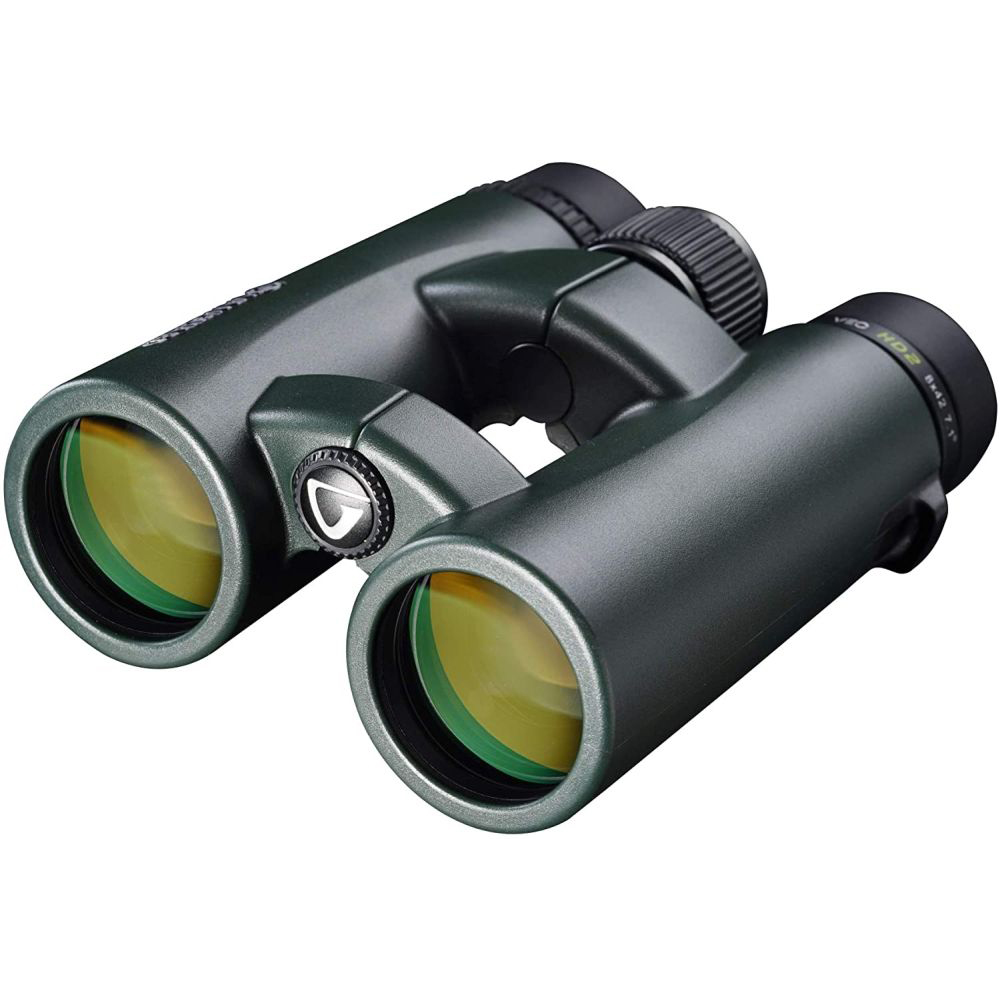
Aside from a telescope or spotting scope, binoculars are something that no serious (or amateur, for that matter) birdwatcher can go without. While birds can be watched in their natural habitat without the use of such a device, seeing them up close and being able to confidently identify them without disturbing them, is only ever possible with a good pair of binoculars.
However, as essential as binoculars are for birdwatching, with so many models and brands available, how do you choose the best pair for your needs?
To help you find the right binoculars for your birdwatching requirements, here is a short guide:
The Numbers Explained
When looking at the numbers associated with magnification, you’ll notice that 8, 10 are two of the most common levels. These typically give enough power for users to be able to see minute details from a reasonable distance, while still being light and compact enough to hold in your hand.
Next, you’ll notice a number signifying the objective lenses diameter, and the larger the lens in comparison to the level of magnification, the clearer the image will be in conditions such as when the light is fading.
The most common specifications for the objective lens diameter are 8×32, 8×42 and 10×42, and to work out which spec is best for you, you can divide the diameter of the objective lens the magnification, which will give you the diameter of the hole that the light comes through to reach your eye.
The width, or field of view also has a number associated with it, and is largely determined the magnification of the lens, and not its diameter. A higher level of magnification on a compact binocular, means that the field of view will be narrower. Generally speaking, having a field of view that’s wider, can be helpful, but isn’t necessarily essential.
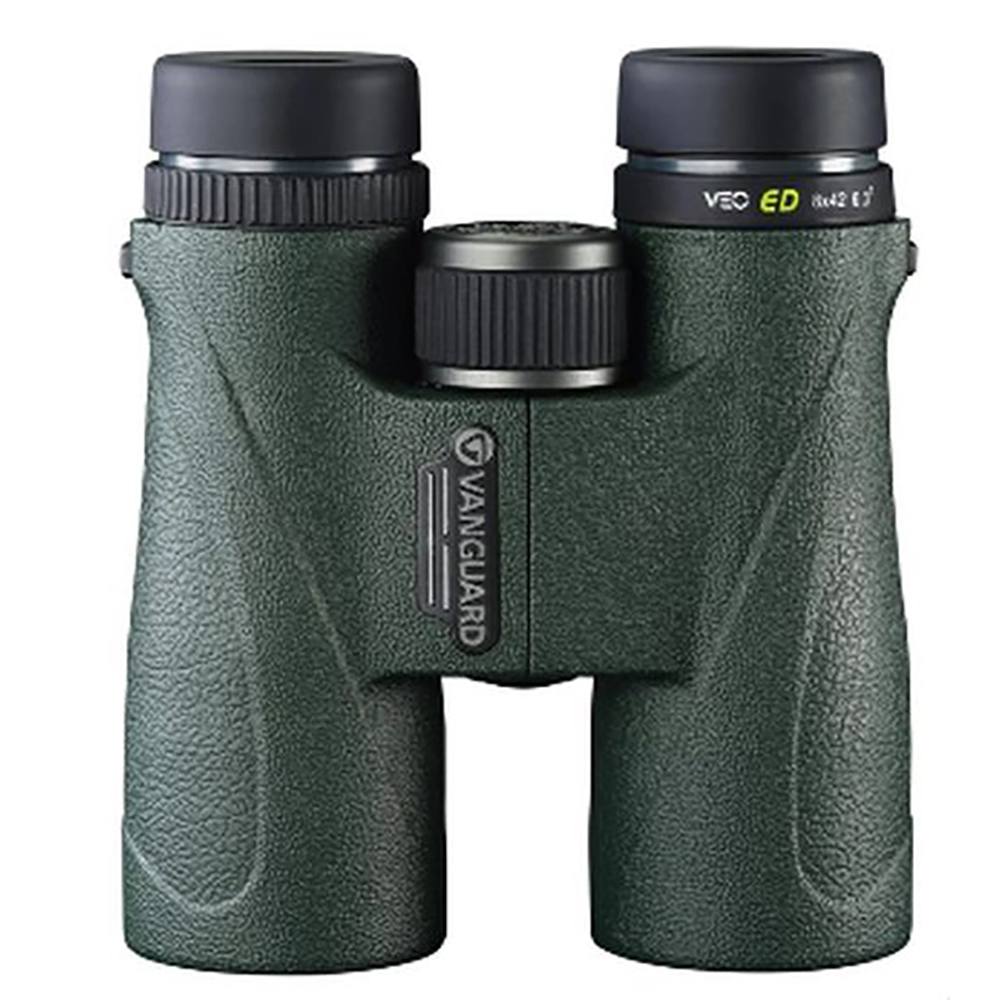
Choosing Between Differently Priced Binoculars
Prices of binoculars can vary hugely, and this is largely due to the glass, coating and quality of the build. To help you narrow down your options when confronted with so many different types of binocular, follow these simple steps:
Conduct A Precise Specification Test
It’s always a good idea to sample several different specifications before you buy them, and this gives you the opportunity to decide upon what’s right for your particular visionary needs.
Try A Few Out
Look for models with the desired specification and within your price range, to see which ones feel the most comfortable and are the easiest to use.
Look At Distant Objects
It’s important when testing binoculars to look at objects in the distance so that you can determine whether they achieve the desired level of resolution and contrast.
Look Out For Colour Fringing
You may find that cheaper binoculars give a warming tinge to an image, or give a band of colour surrounding an image known as ‘colour fringing.’ Ultimately, you want whatever you’re looking at to come into focus quickly.
Comfort Levels
If you plan to spend a lot of time birdwatching, it’s important that the binoculars are comfortable to use and hold, and while this shouldn’t be the only factor you consider, comfort and ease of use should be at the top of your list.
If you need more detailed guidance for choosing a pair of birdwatching binoculars, you can find a lot more information online, or you can try joining an online birding forum to share information and recommendations.