

Creatine is a natural energy compound found in the muscles that can be supplemented to improve performance. It can help you run faster or lift heavier, helping you build muscle and achieve your fitness goals.
Several types of creatine are available, but studies have shown that monohydrate is the best option. Avoid combining creatine with caffeine and other stimulants, as they can compromise effectiveness.
Increases Muscle Mass
The body uses the amino acids methionine, glycine, and arginine to naturally generate creatine. It is stored as phosphocreatine in skeletal muscle cells and is crucial for energy metabolism, giving muscles the energy they need for strenuous exercise. According to studies, Creatine enhances muscle growth in people who exercise often and consume the correct diets. Additionally, creatine boosts protein synthesis, which promotes faster muscular development.
Your body stores most of its creatine in your skeletal muscles, with minor quantities also present in the liver, kidneys, and brain. In addition, your body obtains a small amount from the food you eat, especially organ meats and fish. Many athletes and bodybuilders take creatine supplements such as what you can find at companies like Thorne.com to increase their phosphocreatine stores, which can boost strength and performance in exercises that require short bursts of speed and power.
In addition to increasing strength, creatine has improved muscular endurance. It also helps reduce myostatin levels, a protein that inhibits new muscle growth. It is safe to take long-term and is not considered a banned substance any major sports organizations.
Although weight gain is not the primary side effect of creatine, it can occur because it pulls water into the muscle cell through osmosis, leading to increased edema or “water weight.” It’s important to monitor your diet when taking this supplement and not eat too many sugary or caffeinated drinks, as these can interfere with its efficacy.
Increases Endurance
Creatine is typically associated with increased power and strength, but it also increases endurance. Anyone who trains with short, high-intensity interval workouts or weight training will benefit from creatine. These workouts deplete ATP energy and create an oxygen deficit, causing the body to work harder to replenish phosphate levels. Creatine has been shown to increase sprint performance up to 5% and maximal strength and power 5-15%.
For anyone struggling to break through a plateau in the weight room, creatine can give you the extra push to blast through that resistance exercise plateau and keep progressing. Creatine can also boost your performance when paired with hMB (-hydroxybutyrate). HMB has enhanced muscular endurance, particularly in runners, cyclists, and rowers.
In addition, one study found that creatine supplementation significantly increased the lactate threshold. This means you can perform at a higher intensity for longer before the body begins to break down glycogen stores, and you will not experience physical fatigue as quickly.
Increases Strength
Creatine increases muscle strength, making it an ideal supplement for anyone who wants to get stronger or more muscular. It also improves your ability to train harder and longer, helping you reach your full potential in the gym or field. This is because creatine helps increase the amount of ATP your muscles have available, which makes it easier to work out longer and more intensely.
In addition, creatine has osmotic properties, which means it draws water into your muscles and causes them to swell. This swelling triggers protein synthesis, which is when your body builds muscle. This process is particularly beneficial for upper body muscles because they contain more type 2 fibers, which are more susceptible to creatine uptake.
The best candidates for creatine supplements are those who participate in sports that require high bursts of speed and power, such as sprinting, football, baseball, hockey, and wrestling. It also improves performance in training for other activities that require repeated short bursts of speed and power, like weightlifting. Creatine is a good option for anyone who wants to improve their overall athletic performance, including non-athletes, such as older adults, because it can help improve cognition and reduce the risk of neurological diseases, according to some studies.
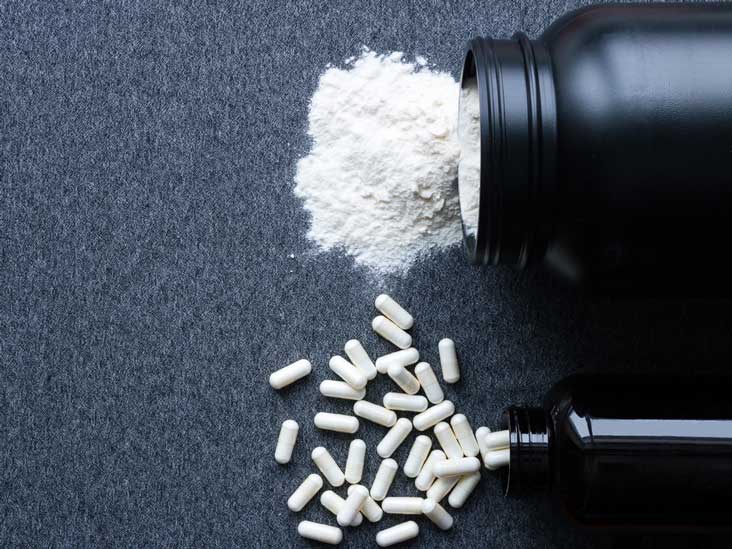
Many athletes and bodybuilders take creatine in a form designed to be absorbed easily into their muscles, such as a powder or capsules. They often use a loading protocol, which takes large doses for several weeks to build up their bodies’ stores quickly. They then decrease their intake for a while before reloading again. Some athletes even cycle their creatine, alternating periods of taking large doses with smaller ones.
Increases Mental Focus
Creatine isn’t just about muscle mass and boosting strength; it’s also been shown to increase mental focus and productivity. Researchers gave creatine to 45 study participants and found that they could more quickly process information and demonstrated improved memory.
This could be a big deal for athletes who compete in sports requiring high mental intensity, such as sprinting, weightlifting, and boxing. Research in this area has found that creatine may help to reduce symptoms and slow the progression of these conditions, although more research is needed. Creatine has also been found to improve short-term memory and intelligence, particularly in people who are deficient in creatine, to begin with. This is especially significant for vegetarians and vegans, as they will have lower creatine stores than omnivores due to their diet. Taking creatine in combination with phosphatidylserine (another supplement that supports brain health) could be an excellent way to boost cognitive function and prevent age-related neurodegeneration.


