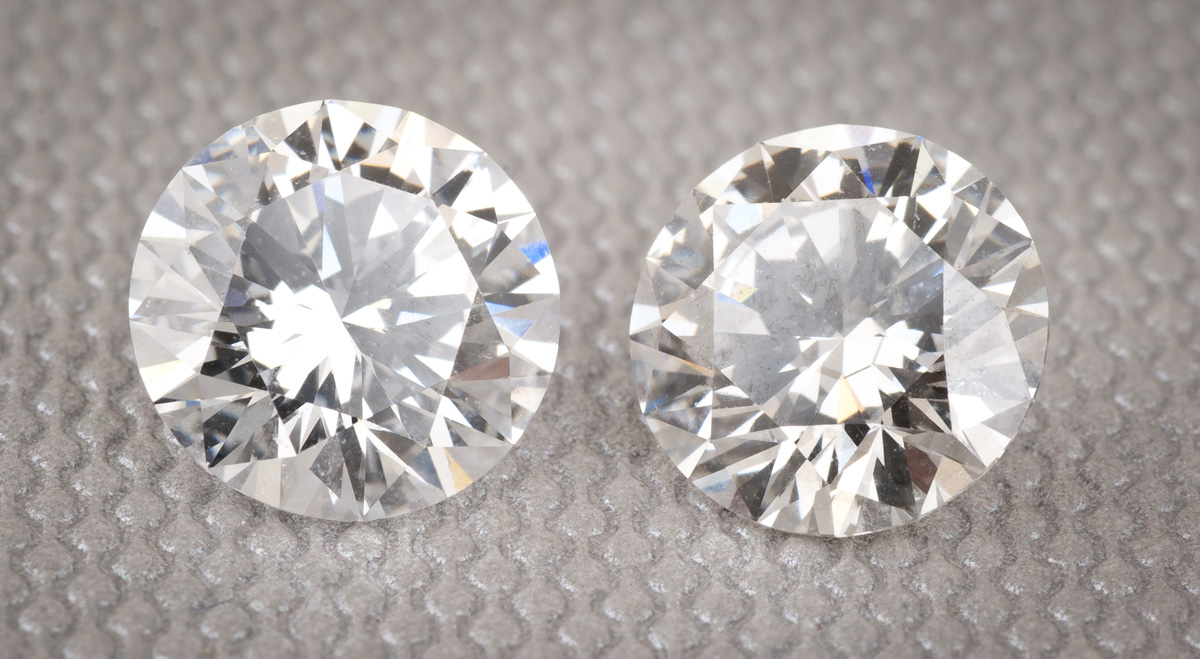
Understanding Diamond Sizes
In the realm of luxury, diamonds reign supreme, symbolizing opulence, elegance, and everlasting love. But within this world of sparkle and shine, one question often prevails: How big is your diamond? It’s a question that transcends mere measurements, delving into the heart of luxury and personal expression.
The Importance of Diamond Size
When it comes to diamonds, size matters. The size of a diamond not only influences its appearance but also plays a significant role in its perceived value. A larger diamond commands attention, exuding a sense of grandeur and sophistication. It becomes a statement piece, a testament to the wearer’s discerning taste and stature.
Measuring Diamond Size
Diamond size is typically measured in carats, with one carat equivalent to 200 milligrams. However, carat weight alone does not provide a complete picture of a diamond’s size. Factors such as cut, clarity, and color also impact how large a diamond appears to the naked eye.
Carat Weight
Carat weight serves as a primary indicator of a diamond’s size. The higher the carat weight, the larger the diamond. However, it’s essential to note that two diamonds with the same carat weight can appear different in size depending on their cut and proportions.
Cut and Proportions
The cut of a diamond refers to its facets and angles, which directly influence its brilliance and sparkle. A well-cut diamond reflects light in a way that enhances its perceived size, making it appear larger than its actual carat weight. Additionally, the proportions of a diamond, including its depth and table size, can impact how light travels within the stone, further enhancing its visual size.
Optical Illusions
Optical illusions, such as the bigger table illusion and the shallow pavilion illusion, can also affect how large a diamond appears. For example, a diamond with a larger table size may appear larger than a diamond with a smaller table size, even if they have the same carat weight.
Choosing the Right Diamond Size
Selecting the perfect diamond size involves a careful balance of personal preference, budget, and style. While a larger diamond may seem enticing, it’s essential to consider factors such as wearability and proportion to ensure a timeless and elegant look.
Lifestyle Considerations
For individuals with an active lifestyle or those who prefer understated elegance, lab grown diamonds, a more modest diamond size may be preferable. A smaller diamond can offer greater versatility and everyday wearability without compromising on style or quality.
Budget Constraints
Budget constraints can also play a significant role in determining the ideal diamond size. While larger diamonds may be desirable, opting for a slightly smaller diamond with excellent cut quality can often provide better value for money without sacrificing on brilliance or beauty.
Personal Style
Ultimately, the choice of diamond size boils down to personal style and preference. Whether you prefer a bold statement piece or a subtle accent, there’s a diamond size to suit every taste and occasion.
Conclusion
In the world of luxury, the size of your diamond speaks volumes. From its carat weight to its cut and proportions, every aspect contributes to its overall appearance and allure. By understanding the intricacies of diamond size, you can make an informed decision that reflects your unique style and sophistication.